
Sree Prathama Ayurvedam · KPHB, Hyderabad
A Panchakarma hospital only for children
A 10-bed Panchakarma hospital with in-patient services in KPHB, Hyderabad, built only for children with Autism, ADHD, speech delay, cerebral palsy and developmental delay. Every therapy is chosen after Nadi Pariksha by Dr. Santhisree Bheesetti, Ayurvedic Child Neurocare Expert with 15+ years of experience, as part of her SANKALPA Protocol.
- Panchakarma planned for your child after Nadi Pariksha, never a fixed package
- More than 15 child-friendly therapies, from Abhyanga with Marma and Shirodhara to Nasya and Vasti
- A 10-bed paediatric hospital with in-patient services, dedicated only to children
- 21 or 40-day programmes, with our doctors overseeing your child’s therapies every day
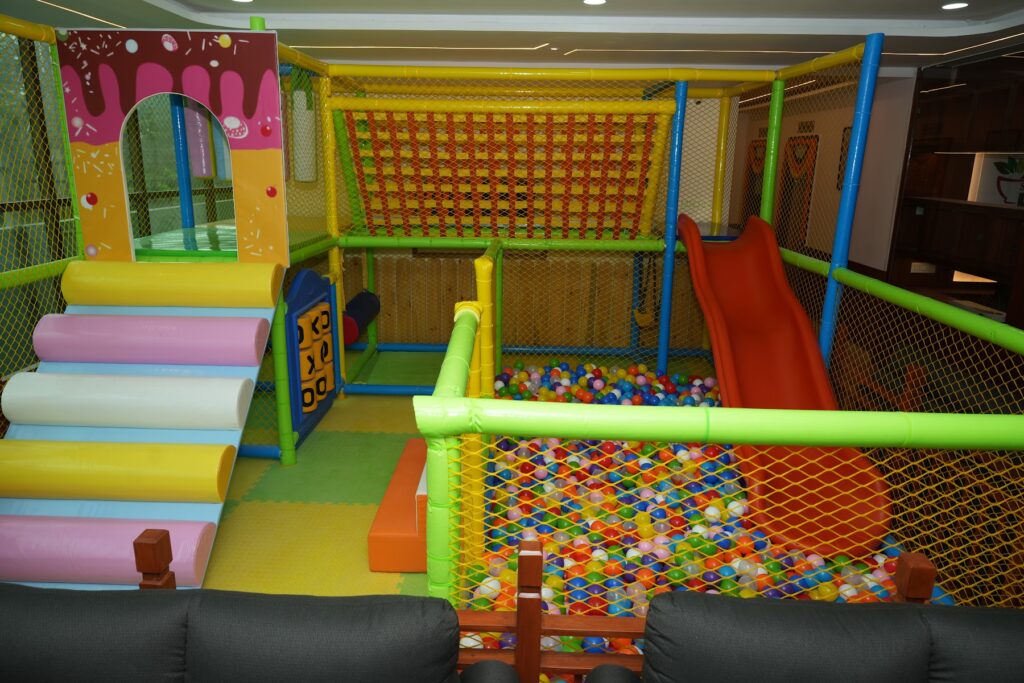
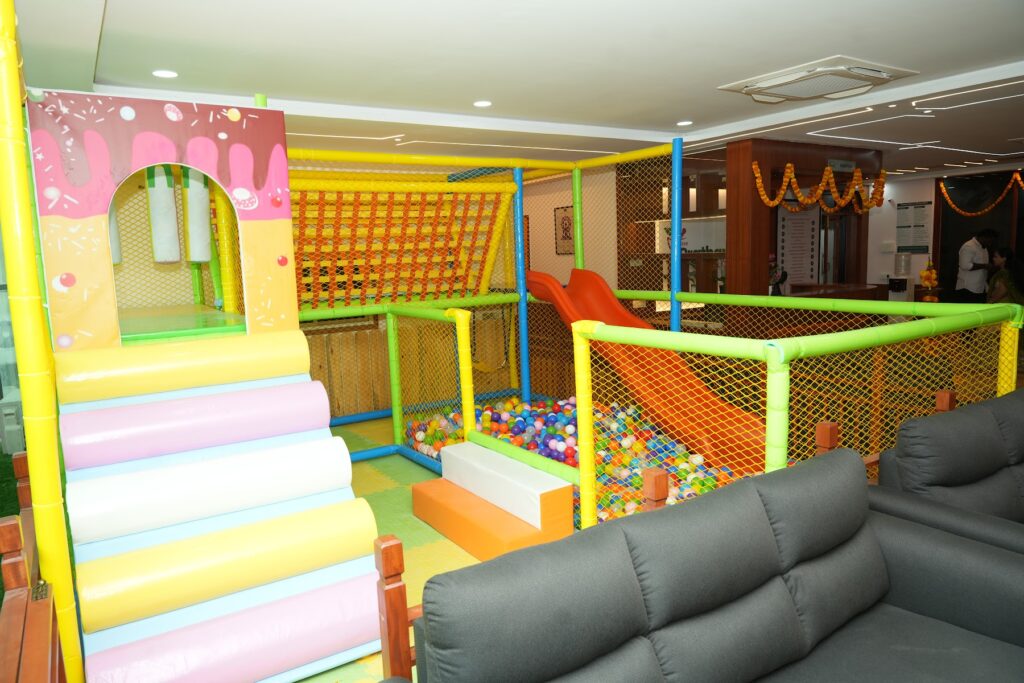
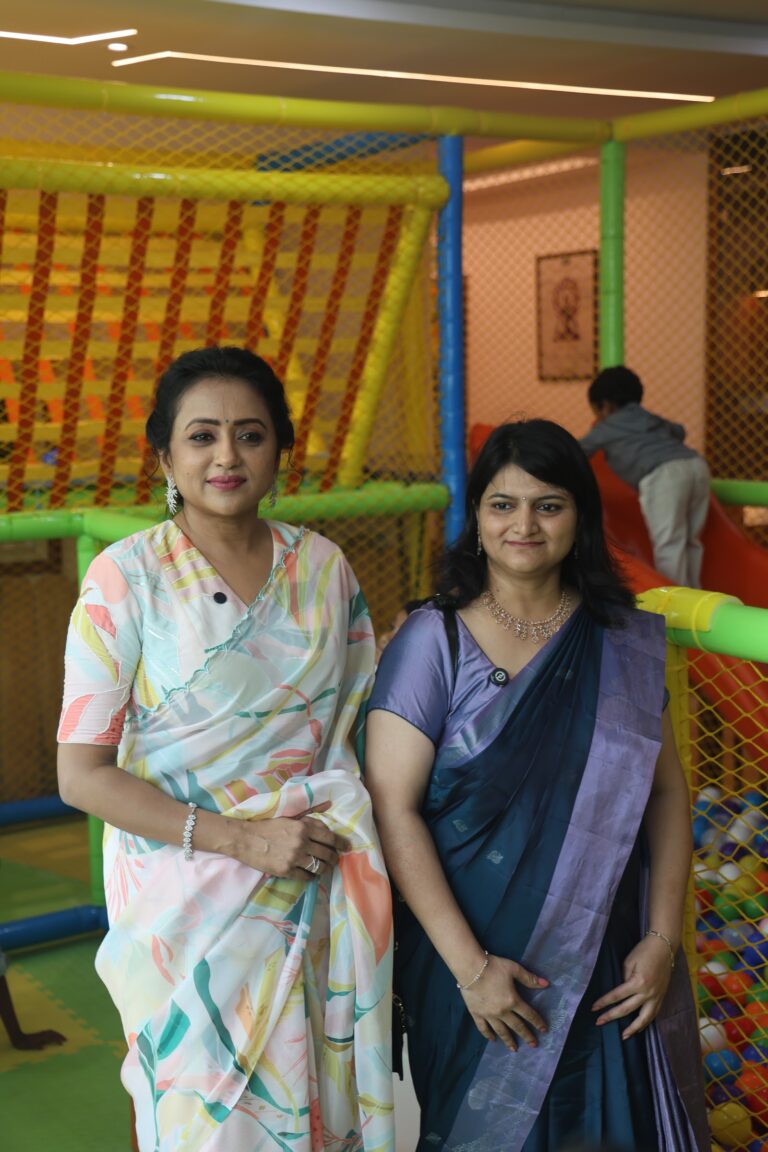
- A child-friendly space with a play area, so therapy days feel calm and safe
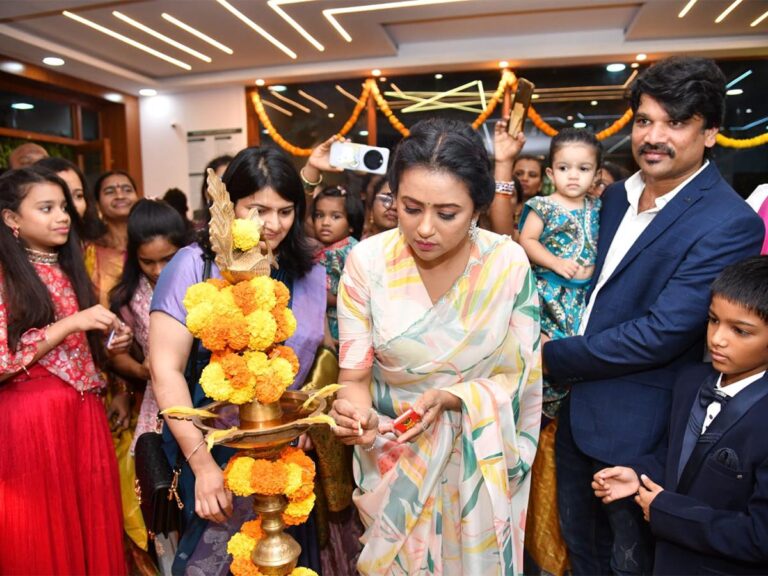
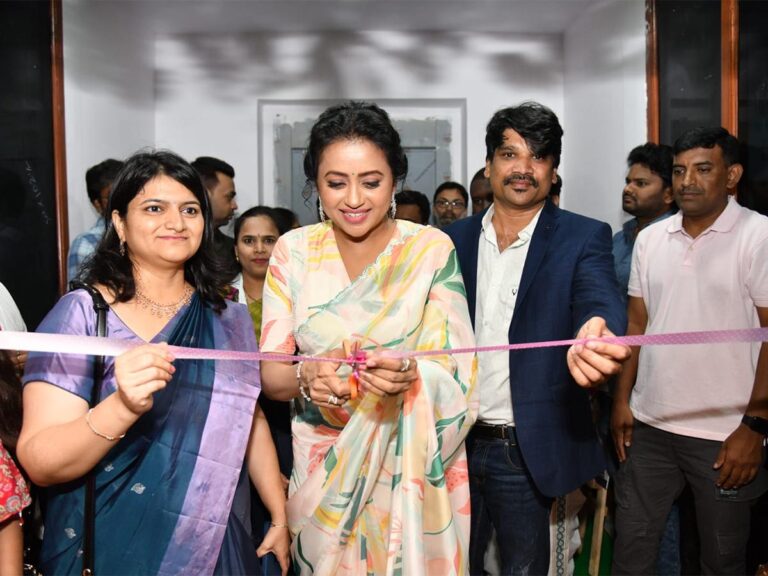
- Inaugurated by Suma Kanakala in October 2024 · caring for children since 2011
Request a call-back
Book a consultation
Share a few details. Our team will call you to understand your child's needs and confirm your slot.
Prefer WhatsApp? +91 99897 59719
Start with your child
Does this sound like your child?
Tap what you see at home. You will see, in simple words, what is happening inside your child and which Panchakarma therapies may help.
Your child is two, three, maybe five, and still has no words, or only sounds. They may not turn when you call their name or look where you point. You have become the only person who can guess what they want.
What is happening insideIn Ayurveda, speech rises from the chest to the mouth through Udana Vata, and Prana Vata in the head keeps the mind steady on people and sounds. When Vata is disturbed and the channels to the head (Srotas) are blocked, your child hears, but the brain struggles to connect what it hears to words.
We clear first, then nourish. Vasti settles Vata at its root in the gut. Nasya opens the channels of the head through the nose. Shiro Abhyanga, Shiro Pichu and Thalam nourish the head and steady the mind. Abhyanga with Marma, on points of the head, neck and throat, supports the pathway that speech travels.
Given only as advised by Dr. Santhisree Bheesetti after Nadi Pariksha. Your child may need some of these, fewer, or different ones.
Understanding usually comes before words. Your child starts to turn when called, follows small instructions, points, or takes your hand to what they want. Some children who had no words begin to communicate with gestures first.
Your child talks, but in lines from cartoons, ads or rhymes. Ask “Do you want milk?” and they say “Do you want milk?” back. They can say a long sentence from a video, yet cannot tell you they are hungry or hurt.
What is happening insideMemory is holding the sounds well. What is missing is understanding (Buddhi) using those sounds for meaning. Ayurveda reads this as Udana Vata moving without the guidance of a calm, clear mind, usually with a head that is overstimulated and restless.
First, the busy mind has to slow down. Shirodhara and Takradhara bring calm and steadiness, so your child can pay attention to the person in front of them. Thalapothichil cools an overheated head. Nasya and Shiro Pichu nourish the senses and memory, and Vasti keeps Vata steady so the gains last.
Given only as advised by Dr. Santhisree Bheesetti after Nadi Pariksha. Your child may need some of these, fewer, or different ones.
Fewer repeated lines, more eye contact while talking, and the first real answers in the right place: “yes”, “no”, “water”, “come”.
Some children cover their ears at the mixer, scream at haircuts and nail cutting, and will wear only one or two clothes. Others seem to feel too little: they spin, jump and crash into things, chew on toys, or don’t cry when they get hurt.
What is happening insideTarpaka Kapha in the head works like a soft cushion around the senses. When Vata dries it out, every sound and touch hits raw, and your child feels too much. When Ama (undigested residue) and Kapha cover the senses, your child feels too little and keeps seeking more.
For the child who feels too much, Abhyanga, Shashtika Shali Pinda Sweda and Pizhichil give warm, steady, deep touch. Day after day, the body learns that touch is safe. For the child who feels too little, Churna Pinda Sweda and Dhanyamla Dhara clear the heaviness and wake the senses up. Karna Poorana helps children who are troubled by sounds.
Given only as advised by Dr. Santhisree Bheesetti after Nadi Pariksha. Your child may need some of these, fewer, or different ones.
Easier bath times and haircuts, new clothes accepted, less covering of the ears, and a child who can stay a little longer in a crowded place.
Your child is always on the move. They cannot sit through a meal and jump from one toy to the next. A small change, like a different route home, can bring a big meltdown, sometimes with hitting or biting.
What is happening insideVata (movement) and Pitta (heat and intensity) are running high, and the mind has too much Rajas, its restless quality. Your child is not choosing to misbehave. The body and mind simply cannot settle.
Shirodhara and body Takradhara slow the mind and body down. Thalapothichil and Thalam cool and settle the head. Pizhichil wraps the whole body in warm oil, which deeply calms Vata, and Vasti brings Vata down from its root.
Given only as advised by Dr. Santhisree Bheesetti after Nadi Pariksha. Your child may need some of these, fewer, or different ones.
Sitting longer at the table, calmer moves from one activity to the next, fewer and shorter meltdowns, and often better sleep.
Your child falls asleep very late, wakes up at night, or is laughing and playing at 2 a.m. The whole family is tired, and the next day starts with a cranky child.
What is happening insideSleep comes when Kapha settles the mind at night. When Vata and Pitta are high, the mind stays switched on, and your child cannot slip into deep sleep. Poor sleep in children with Autism also goes along with more difficult behaviour during the day.10
Shirodhara and Takradhara bring the mind into calm. Shiro Abhyanga, Shiro Pichu and Thalam nourish the head, and Abhyanga relaxes the whole body.
Given only as advised by Dr. Santhisree Bheesetti after Nadi Pariksha. Your child may need some of these, fewer, or different ones.
Falling asleep sooner, fewer night wakings, and a calmer, brighter child in the morning.
Constipation, hard or loose stools, a bloated tummy, bad breath, or food coming out undigested. Many of these children eat only a few foods, and every meal is a fight.
What is happening insideAgni, the digestive fire, is weak, and Ama builds up. Apana and Samana Vata in the gut are disturbed. In Ayurveda, the gut and the mind are closely linked: when the gut is uncomfortable, the mood suffers too. Research also finds gut problems in many children with Autism, linked with more irritability and behaviour difficulties.8,9
Kashaya Vasti clears and Sneha Vasti nourishes, working right where Vata lives. Nabhi Vasti supports digestion from the navel. In older children, Virechana is used when Dr. Santhisree feels it is needed. A diet plan for your child runs alongside.
Given only as advised by Dr. Santhisree Bheesetti after Nadi Pariksha. Your child may need some of these, fewer, or different ones.
Regular motions, a better appetite, willingness to try a new food, and fewer bad-mood days.
Your child walks on their toes, falls often, has a weak grip or tires quickly. Some children have stiff legs, drool, or find climbing and jumping hard.
What is happening insideVata is drying and weakening the muscles (Mamsa Dhatu) and the nerves (Majja Dhatu). The body needs nourishment and calm at the same time.
Shashtika Shali Pinda Sweda nourishes and strengthens the muscles. Pizhichil and Abhyanga with Marma ease stiffness and improve body awareness. Sneha Vasti nourishes the deeper tissues from within.
Given only as advised by Dr. Santhisree Bheesetti after Nadi Pariksha. Your child may need some of these, fewer, or different ones.
A steadier walk, better balance, a firmer grip, and more energy to play.
Cold, cough, a runny or blocked nose, or swollen tonsils every few weeks, and each illness sets your child’s progress back.
What is happening insideExcess Kapha is collecting in the chest and head, and Ojas, your child’s inner strength and immunity, is low.
Nasya keeps the channels of the nose and head clear. In older children with heavy Kapha, Vamana is used when age and strength allow. Abhyanga, Vasti and the programme as a whole build Ojas back up.
Given only as advised by Dr. Santhisree Bheesetti after Nadi Pariksha. Your child may need some of these, fewer, or different ones.
Fewer and milder colds, a clearer nose, and fewer breaks in progress.
Most children have more than one of these. The therapies named here are examples of what we use. Your child’s Panchakarma is planned only by Dr. Santhisree Bheesetti after Nadi Pariksha, never as a fixed package or a list to choose from.
The SANKALPA Protocol
Panchakarma, as part of one plan
Dr. Santhisree Bheesetti developed the SANKALPA Protocol over 15+ years of treating children. Panchakarma sits at its centre, but it never works alone. Four things matter equally: diet and lifestyle, Panchakarma, customised internal medicines, and your efforts as parents.
Samyak Nadi Pariksha
Reading your child’s pulse to see which Dosha is disturbed and how strong digestion is. Every therapy is chosen from this.
Ayurvedic Panchakarma
Therapies that clear blocked channels and calm the nervous system, so nourishment and medicines can reach the brain.
Nutrition & Diet
A food plan for your child during and after Panchakarma, to protect the gut–brain connection.
Karma, Parent Participation
What you do at home every day: oil massage, play, talking and routines. This is where gains become habits.
Aushadha, Internal Medicines
Customised medicines such as Vaakkdevi Rasayana, Vaakkshuddikaran Kwath Churna and Amritha Swarna Bindu Prashana, which work best once the channels are clear.
Lifestyle Modifications
Sleep, screen time and the daily rhythm, set so the calm from therapy carries into the rest of the day.
Prakriti Balancing
Oils, timings and the length of the course matched to your child’s own body type.
Awareness & Family Support
Our doctors guide you on medicines, diet and home care by phone and at every follow-up.
What Nadi Pariksha decides before Panchakarma begins
- Which therapies your child needs, and in what order
- Kashaya Vasti, Sneha Vasti, or both
- Which oils and liquids: cooling or warming, oil, milk, buttermilk or herbal decoctions
- A 21-day or a 40-day course
- Whether Vamana or Virechana is right for your child’s age and strength
- How the plan changes as your child responds
It starts with Nadi Pariksha
Why we read your child's pulse first
Two children with the same diagnosis can have very different imbalances underneath. Before any Panchakarma begins, Dr. Santhisree reads your child's pulse (Nadi Pariksha) to understand their Dosha balance, digestion, sleep and nervous system. Every therapy, oil and medicine in the hospital programme is chosen from that reading. Watch her explain it.
From body to brain
Four doorways to your child’s brain
Panchakarma and your child’s medicines work through four doorways that Ayurveda has used for centuries. Modern science now studies each one of them.
The skin
The skin is the body’s largest sense organ, and it is wired straight to the brain. Slow, warm, rhythmic touch travels along special touch nerves to the parts of the brain that handle feeling safe and connecting with people. In Autism, these touch pathways often work differently.4 In studies, regular massage helped children with Autism with self-regulation, touch sensitivity, and social and language skills, and moved the heart rhythm towards calm.1,2,3
Through, as advised by Dr. Santhisree: Abhyanga with Marma, Pizhichil, Shashtika Shali Pinda Sweda, Churna Pinda Sweda, Dhanyamla Dhara, body Takradhara
The head
Ayurveda calls the head Uttamanga, the most important part of the body and the seat of Prana. A steady stream of warm oil on the forehead brings a state of calm alertness: breathing slows, the heart rate settles, and the brain waves linked with relaxation increase.5 It has also helped with deeper sleep.6 (These studies were done in adults.)
Through, as advised by Dr. Santhisree: Shirodhara, Takradhara, Shiro Abhyanga, Shiro Pichu, Thalam, Thalapothichil, Karna Poorana
The nose
Ayurveda calls the nose the doorway to the head. Modern medicine now uses this same route to carry some medicines to the brain, because the nerves of smell and of the face connect the nose directly with the brain.7
Through, as advised by Dr. Santhisree: Nasya
The gut
In Ayurveda, Vata, the force behind movement, speech and the senses, lives mainly in the large intestine. Science now speaks of a gut–brain connection: gut troubles and changed gut bacteria are common in children with Autism and go along with more irritability and behaviour difficulties.8,9 Vasti works right here.
This is also the doorway for your child’s customised internal medicines, such as Vaakkdevi Rasayana, Vaakkshuddikaran Kwath Churna and Amritha Swarna Bindu Prashana. They are chosen for your child after Nadi Pariksha, not given the same way to every child. Once Vasti and the diet plan have cleared the gut, the medicines are taken up better and can do their work.
Through, as advised by Dr. Santhisree: Kashaya Vasti, Sneha Vasti, Nabhi Vasti, Virechana when suitable, and customised internal medicines
Our therapies
Every therapy, from your child’s side
Your child will not need all of these. After Nadi Pariksha, Dr. Santhisree chooses the ones your child needs, and changes the plan as your child changes. Tap any therapy to read more.
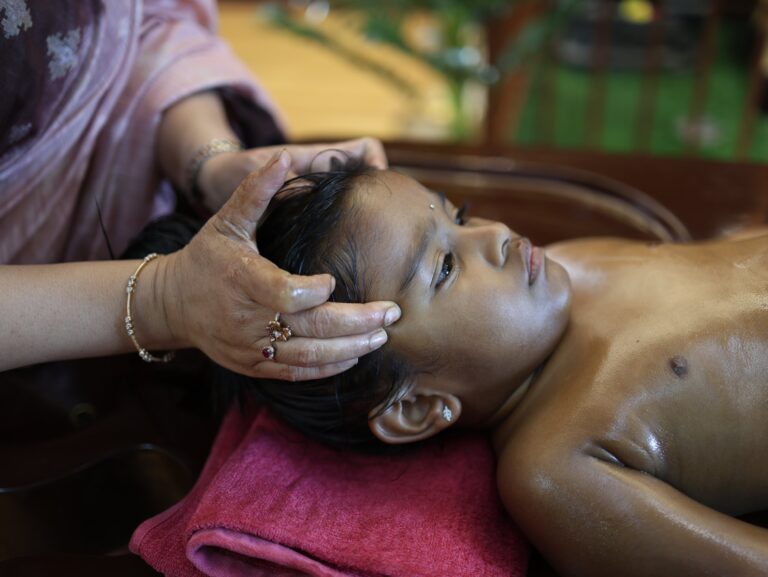
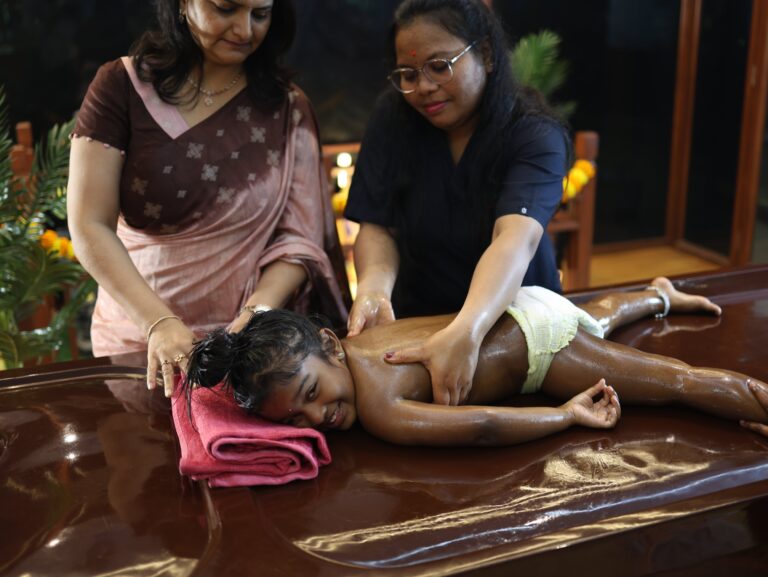
For the head and senses
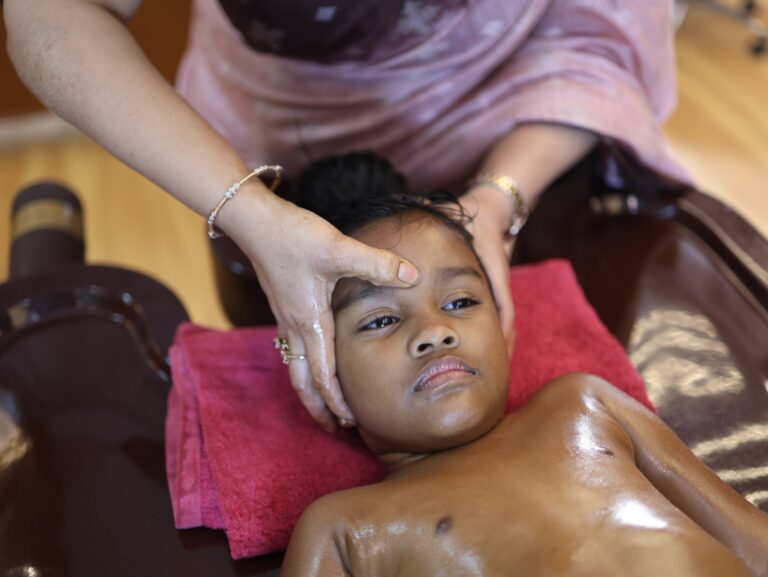 Shiro AbhyangaWarm oil massage for the head
What happens: Warm medicated oil is massaged into the scalp, forehead, neck and shoulders, with gentle pressure on the Marma points of the head.
For your child: Like a calm hand on a busy mind. It helps children who are restless, sleep poorly, or hold tension in the neck and jaw. Many children start to enjoy it within a few days.
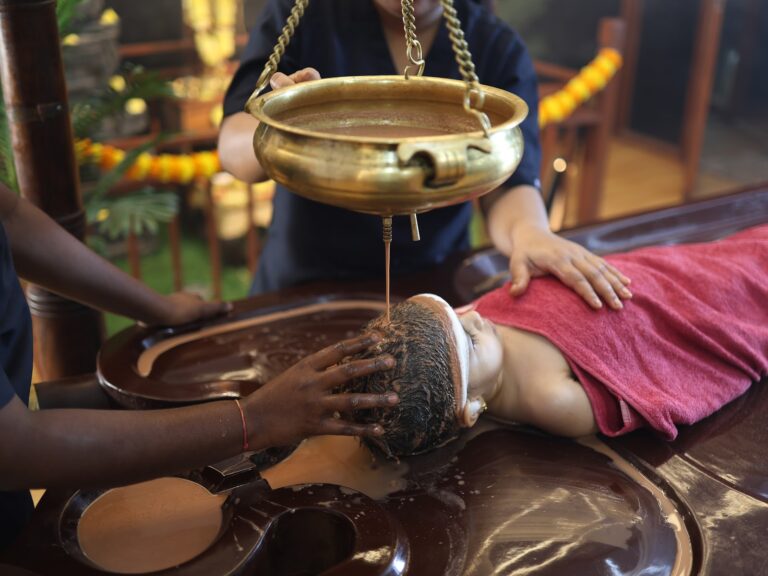 TakradharaMedicated buttermilk, for heat
What happens: Like Shirodhara, but with buttermilk prepared with herbs. It is cooling.
For your child: For the child with too much heat: anger, irritability, hitting, rashes, poor sleep and a hot head. The cooling stream settles Pitta and the mind together.
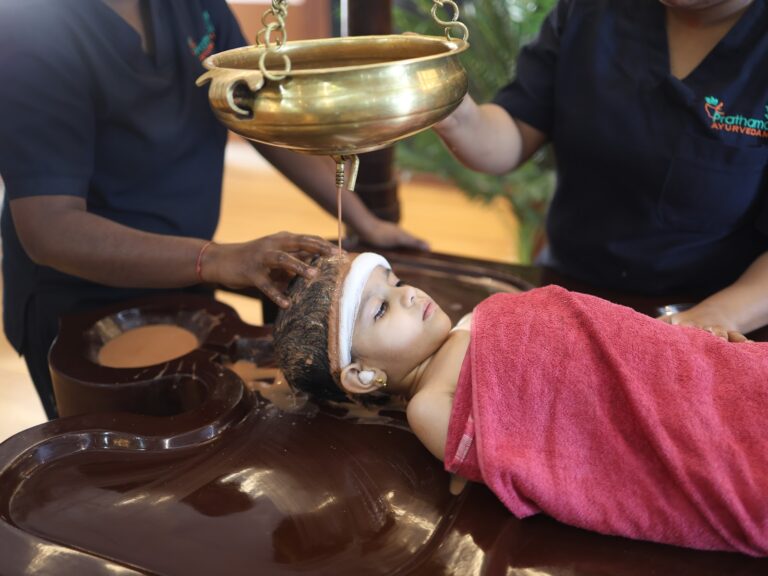
ShirodharaA steady stream on the forehead
What happens: A thin, steady stream of warm medicated oil flows over the forehead for a set time while your child lies down.
For your child: A busy mind gets one steady thing to rest on. For a child who is racing, repeating lines or melting down, it brings calm without making them drowsy: calm and alert at the same time.5
ThalapothichilA cooling herbal pack for the head
What happens: A cooling herbal paste is spread over the scalp and covered with a leaf for a while.
For your child: Cools an overheated, overactive head. We use it for hyperactivity, angry outbursts and poor sleep.
ThalamMedicine on the crown
What happens: A small amount of medicated oil or herbal paste is placed on the crown of the head and gently held there.
For your child: Quick and simple, so even children who cannot lie still for long can have it. It calms the mind and supports sleep.
Shiro PichuAn oil-soaked pad on the crown
What happens: A thick cotton pad soaked in warm medicated oil is placed on the crown and kept there for some time.
For your child: Slow, steady nourishment for the head and nerves (Majja Dhatu). We use it for speech, memory and sleep.
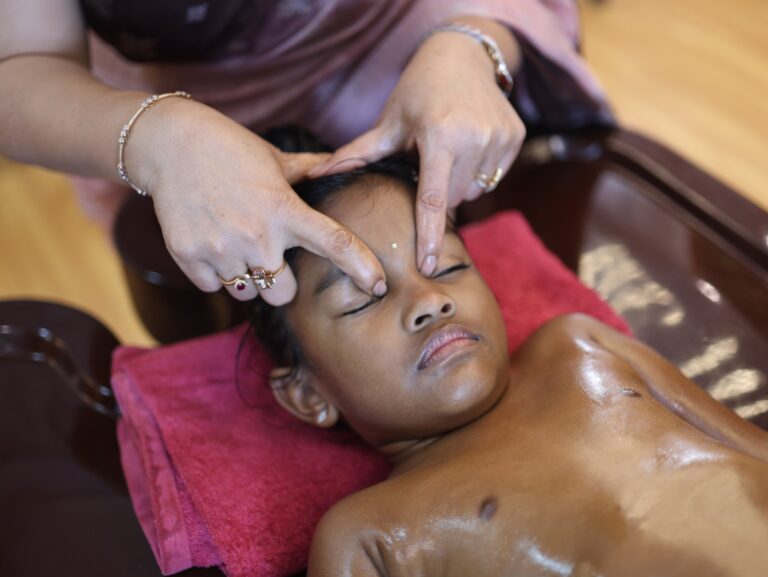
NasyaDrops through the nose
What happens: After a gentle face massage and warmth, a few drops of medicated oil or ghee are put into each nostril.
For your child: It uses the nose, the doorway to the head, to clear blocked channels and nourish the senses. We use it for speech, attention, and children who often have a blocked nose or cold.7
Karna PooranaWarm oil in the ears
What happens: A few drops of warm medicated oil are placed in the ears and kept there for a short while.
For your child: The ear is a seat of Vata. This helps children who are disturbed by sounds, and supports calm and sleep.
For the whole body
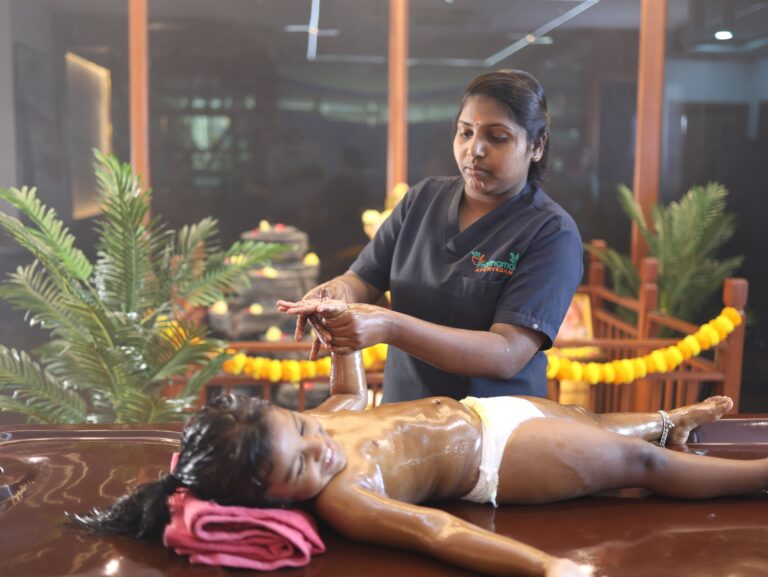
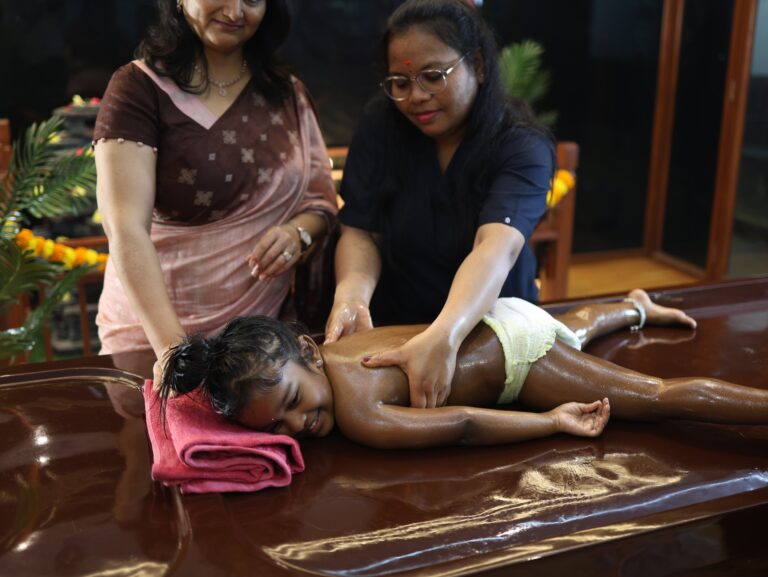 Abhyanga with MarmaWhole-body oil massage
What happens: Warm medicated oil, chosen for your child’s Dosha, is massaged over the whole body in set strokes, with gentle pressure on Marma points, where muscles, nerves and vessels meet.
For your child: For the child who pulls away from hugs, this is how the body learns that touch is safe. It calms Vata and improves body awareness, and the Marma points of the head, neck and throat support speech.1,2
Shashtika Shali Pinda SwedaWarm rice boluses
What happens: Shashtika rice is cooked in milk and herbal decoction, tied in cloth boluses, and massaged warm over the body.
For your child: Deep, warm, rhythmic pressure that settles touch sensitivity and builds weak, thin or floppy muscles. At our hospital, it is one of the therapies we rely on most for sensory issues.11
Churna Pinda SwedaWarm herbal powder boluses
What happens: Boluses of warm herbal powders are pressed and massaged over the body.
For your child: Dry warmth that clears heaviness and stiffness. Good for children who seem slow or dull, or who feel too little.
PizhichilA warm bath of oil
What happens: Warm medicated oil is poured in streams over the whole body while two therapists massage gently and in rhythm.
For your child: Deeply calming for Vata. It eases stiffness and brings a restless body to rest.
Body TakradharaCooling buttermilk for the whole body
What happens: Medicated buttermilk is poured over the whole body in a steady flow.
For your child: Cools a body that runs hot, with irritability, rashes or anger, and settles the mind along with it.
Dhanyamla DharaA warm stream of fermented grain liquid
What happens: A warm, sour liquid made from fermented grains and herbs is poured over the body.
For your child: Clears heaviness and stiffness and wakes up a sluggish body. Helpful for children who are slow, heavy or under-reactive.
From within
Vasti: Kashaya and SnehaAyurveda’s main therapy for Vata
What happens: Medicine is given gently through the rectum, in a planned order of two kinds. Kashaya Vasti uses herbal decoctions to clear. Sneha Vasti uses medicated oil to nourish. It takes only a few minutes and is done by our trained staff.
For your child: Vata, the force behind movement, speech and the senses, lives mainly in the gut. Vasti reaches it there, so it settles the gut and the mind together. Ayurveda calls Vasti half of all treatment, and for many of our children it is the heart of the programme.
Vamana and VirechanaDeeper cleansing, only when suitable
What happens: Vamana clears excess Kapha through guided vomiting. Virechana clears excess Pitta through guided purging. Both are done only in older children, only when needed, and only after Dr. Santhisree checks age, strength and digestion.
For your child: Vamana helps children with heavy Kapha: frequent colds, phlegm and sluggishness. Virechana helps children with too much heat: irritability, skin troubles and a hot gut. Most young children do not need them.
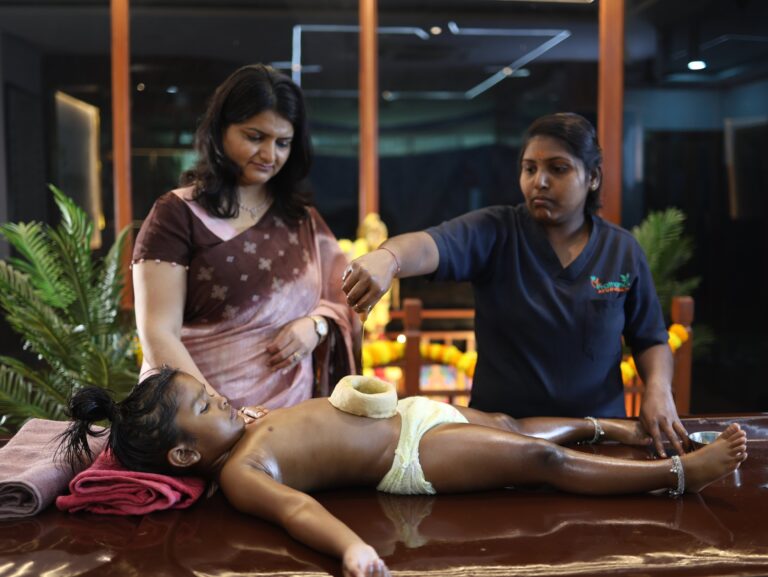
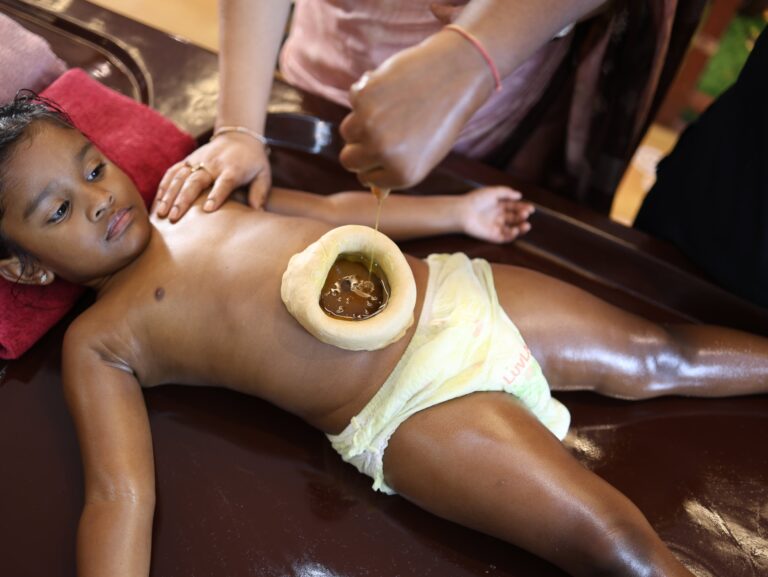 Nabhi VastiWarm oil on the navel
What happens: A small ring of dough is placed around the navel and filled with warm medicated oil for some time.
For your child: Painless and calming. It supports digestion and appetite and helps settle a bloated, uncomfortable tummy.
Every child is different, and so is every plan. These pages explain the therapies so you know what each one does. Which therapies your child receives, the oils and the number of days are decided only by Dr. Santhisree Bheesetti after Nadi Pariksha.
What we often see after Panchakarma
Changes that come one step at a time
Panchakarma clears the body's channels so that nourishment reaches the brain, and it builds healthy Ojas, your child's inner strength and immunity. In many children at our hospital, the first changes are not words. They usually arrive in this order:
- 01Understanding
- 02Observation
- 03Awareness
- 04Attention
- 05Eye contact
- 06Imitation
- 07Words
- 08Communication
We have also seen children who had no words at all begin to communicate without words first: pointing, gestures, bringing a parent's hand to what they want. For a parent, that first non-verbal "conversation" is often the moment everything changes.
In over 15 years of treating children, this is what we see at our hospital:
Communication and language
Understanding, communication and language improve greatly for many children. This is where families often see the biggest change.
Sensory issues settle
Shashtika Shali Pinda Sweda and other therapies help sensitivity to sound, touch and textures settle, so children cope better with the world around them.
A calmer, settled mind
Shirodhara, Takradhara and Pizhichil calm the nervous system, bringing deeper sleep, better attention and fewer meltdowns.
Fewer colds and coughs
Children who fell sick often, with frequent colds, coughs and low immunity, usually become stronger as Ojas builds up.
A clearer, calmer gut
Constipation, bloating and other gut troubles often settle as the gut is cleared, and children eat better.
Body and mind grow together
Stiffness eases, head holding, sitting and movement improve, and weight and height pick up as physical and mental development move forward together.
All of these are changes we have seen in children at our hospital over the years. Every child is different, and the changes and their pace vary from child to child.
For children with cerebral palsy
Easing stiffness, supporting movement
Stiff muscles, poor head control and delayed sitting or walking are common in cerebral palsy. Ayurveda sees this as a Vata condition, so daily Panchakarma at the hospital focuses on relaxing the muscles and nourishing the body, step by step.
Abhyanga and Swedana
Warm medicated oil massage, followed by gentle heat, to relax tight muscles and make movement easier.
Shashtika Shali Pinda Sweda
Warm boluses of rice cooked in milk, massaged over the body to nourish the muscles and ease stiffness.
Vasti
Medicated Vasti, Ayurveda's main therapy for Vata, planned for each child's strength and age.
Alongside physiotherapy
Panchakarma prepares the muscles; we encourage families to continue physiotherapy during and after the programme.
Inside the hospital
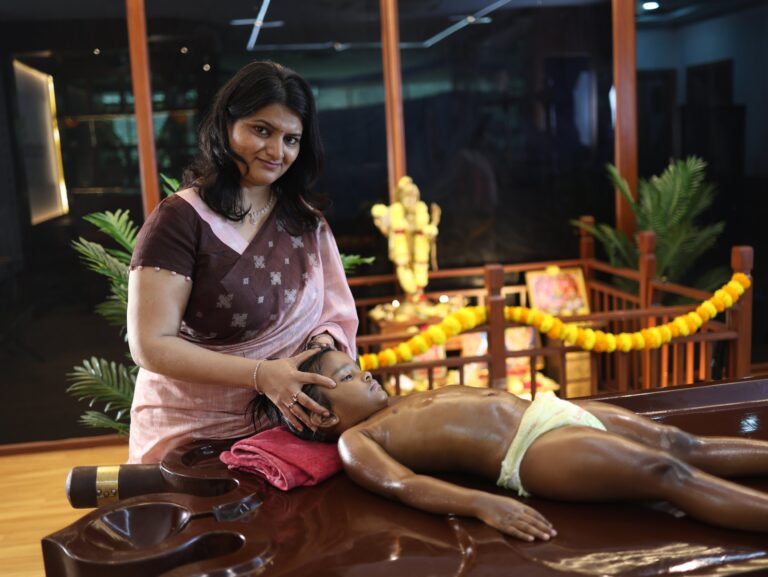
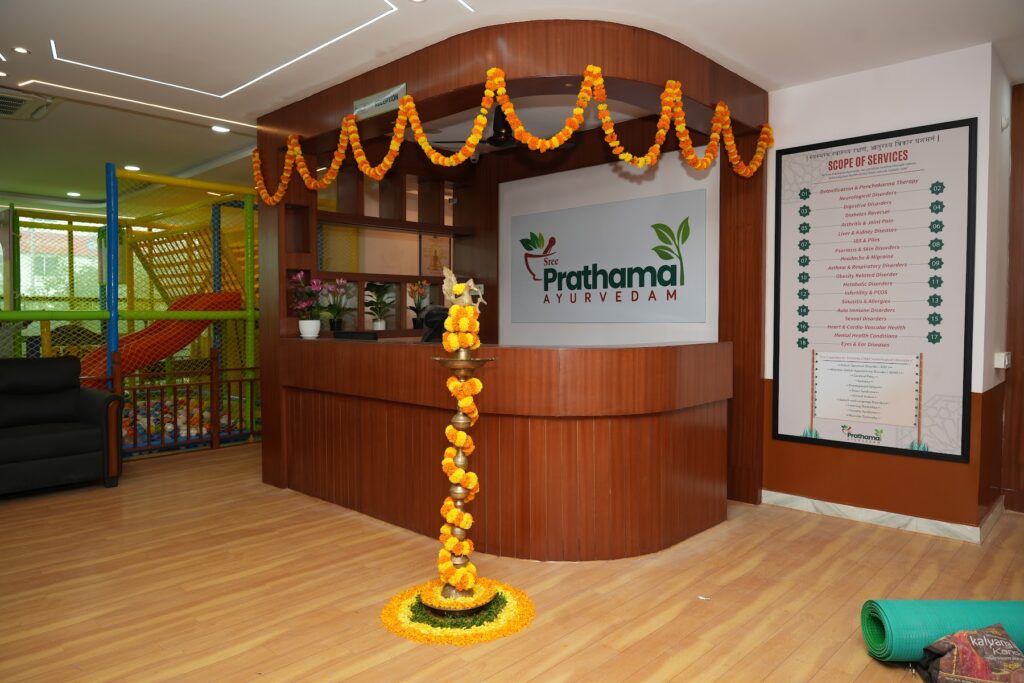
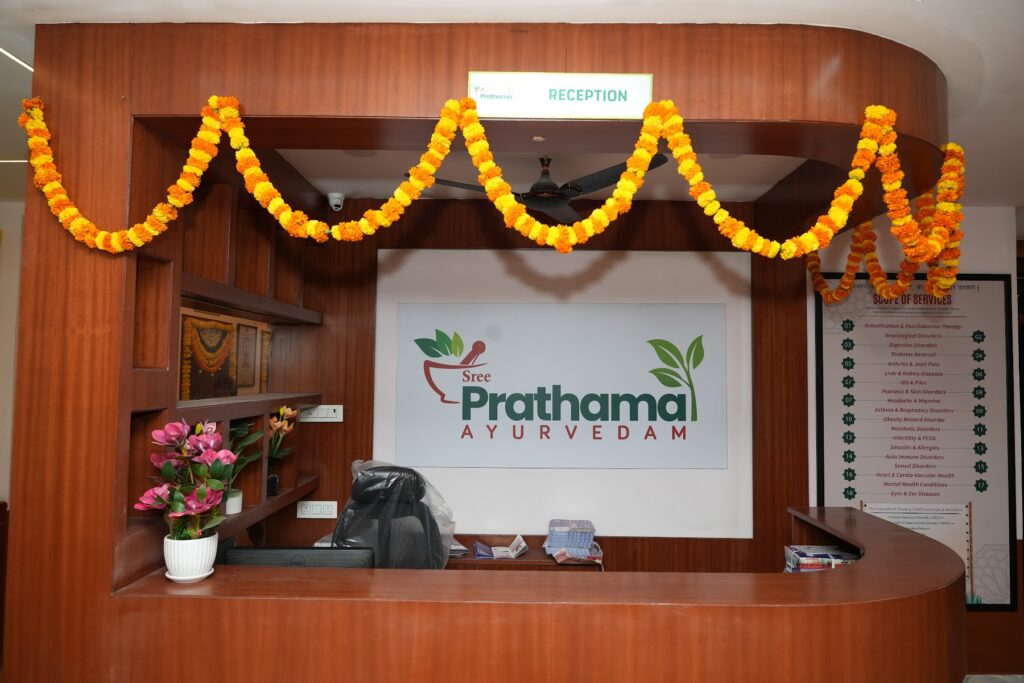
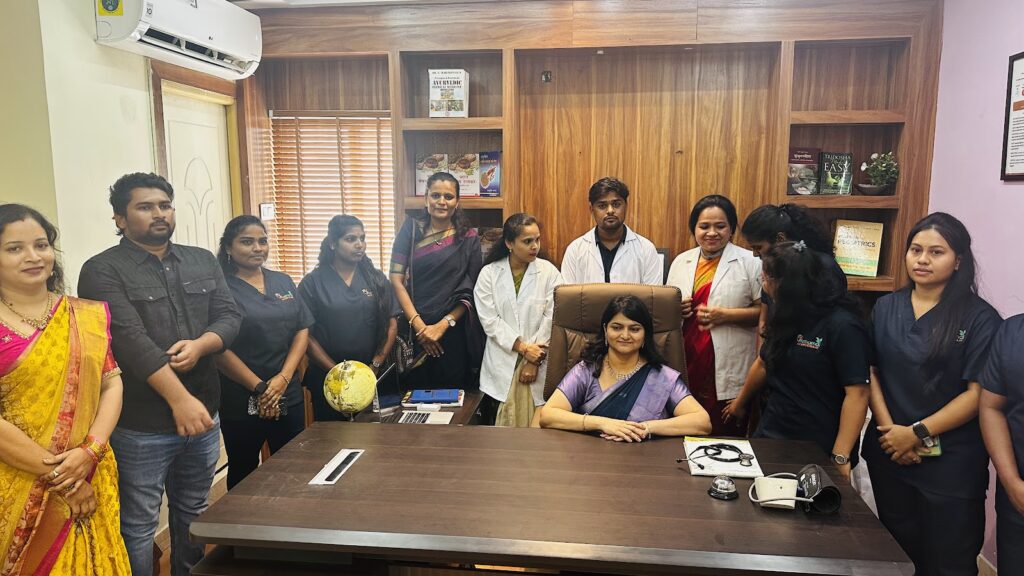
Calm, clean and child-friendly
From the reception to the play area, every space is designed around children and their parents.
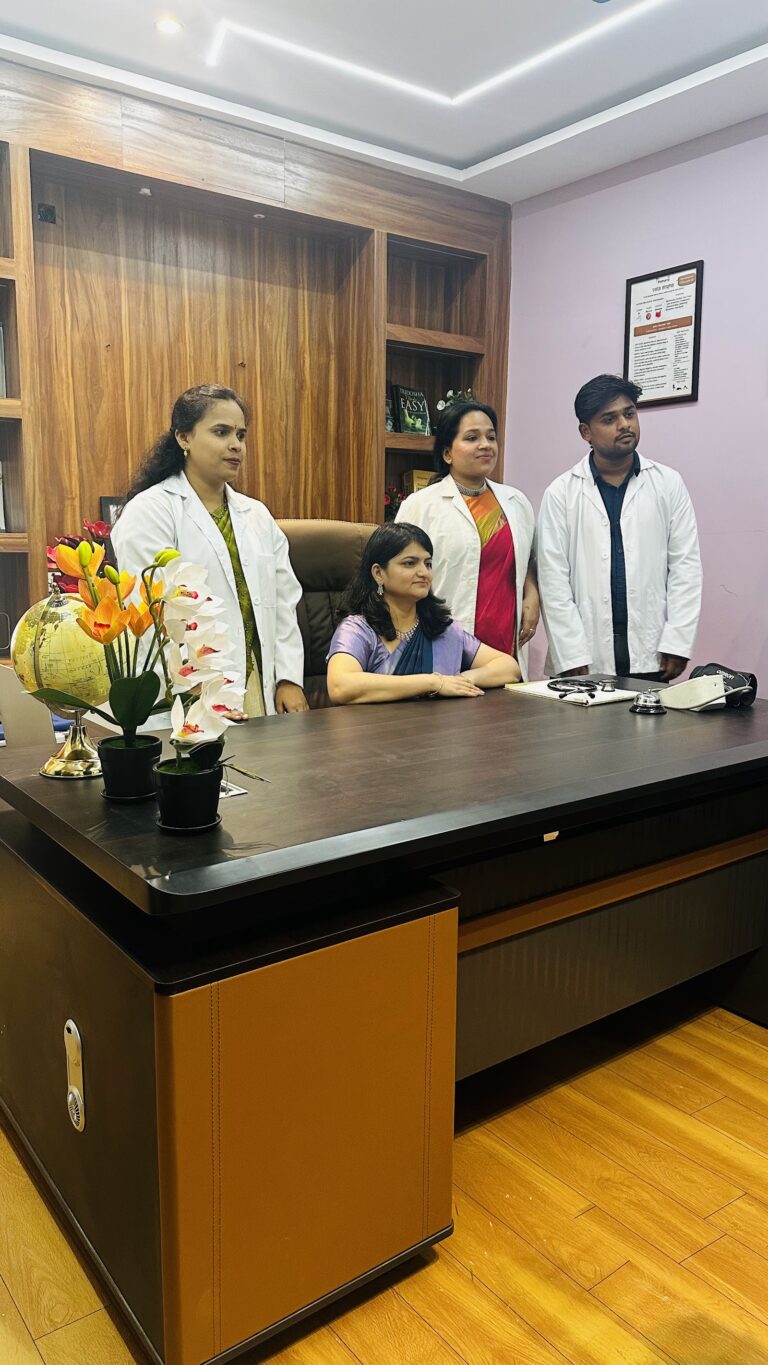
Who we are
Sree Prathama Ayurvedam Private Limited
Autism Ayurvedam is a unit of Sree Prathama Ayurvedam Private Limited, dedicated to children with Autism, ADHD, speech delay and developmental delay. The hospital at KPHB is part of the same company, led by its founder, Dr. Santhisree Bheesetti, Ayurvedic Child Neurocare Expert with 15+ years of experience.
Where it began
Dr. Santhisree Bheesetti started her practice in Visakhapatnam as Amritha Ayurvedam, with a focus on children’s development.
A new name, a stronger base
The Bengaluru clinic opened, and the practice took the name Sree Prathama Ayurvedam. In December 2020 it was incorporated as Sree Prathama Ayurvedam Private Limited.
Hyderabad
Our Hyderabad clinic opened.
A hospital for children
Our 10-bed paediatric Panchakarma hospital with in-patient services opened at KPHB, Hyderabad.
Delhi
Our Delhi clinic opened.
Across India and beyond
Clinics in Hyderabad, Visakhapatnam, Bengaluru and Delhi, monthly consultations in Mumbai, online consultations, and our own AYUSH licensed, GMP and ISO certified manufacturing unit in Kukatpally.
One company, one standard of care. Every clinic, every therapy and every medicine you receive from Autism Ayurvedam comes from Sree Prathama Ayurvedam Private Limited, so the same protocol, the same Nadi Pariksha and the same quality follow your child wherever you consult us.
In the news
As featured in the press
The hospital was inaugurated on 10 October 2024 at KPHB, Hyderabad, with anchor Suma Kanakala as chief guest. The Hans India reported it as the only hospital in Andhra Pradesh and Telangana offering Panchakarma specifically for children with Autism and ADHD.
Opening day · 10 October 2024
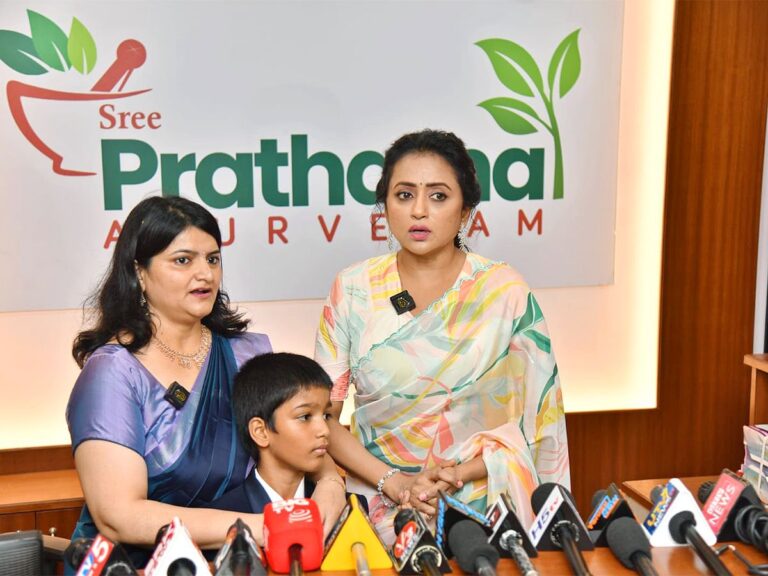
In the newspapers
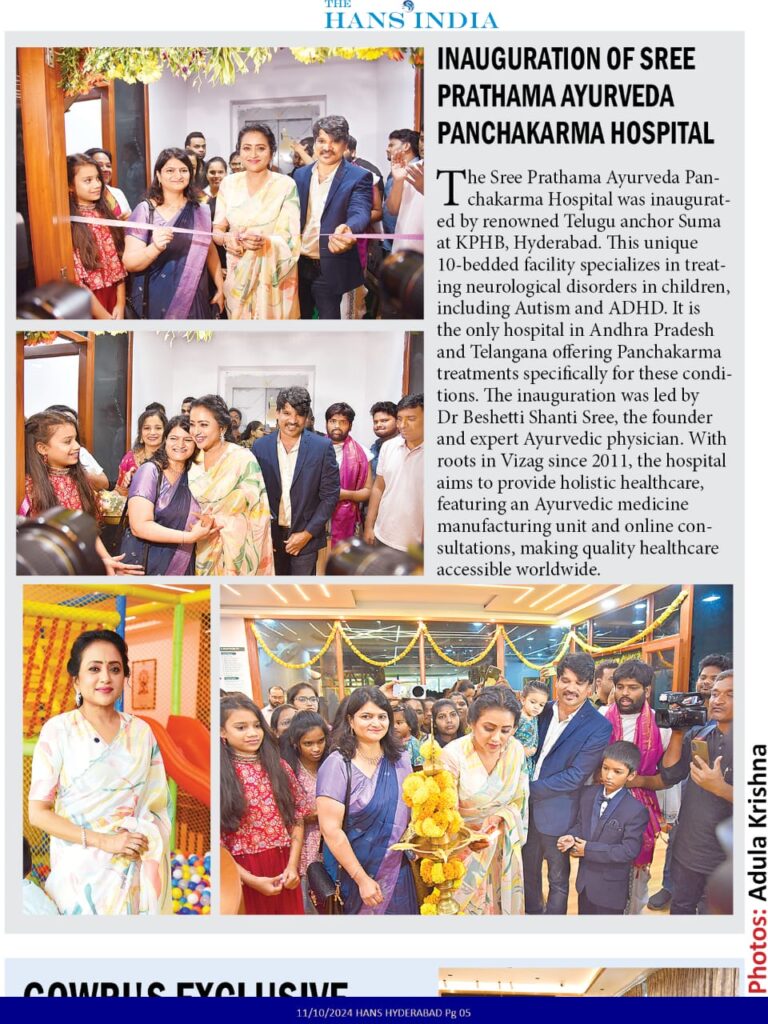
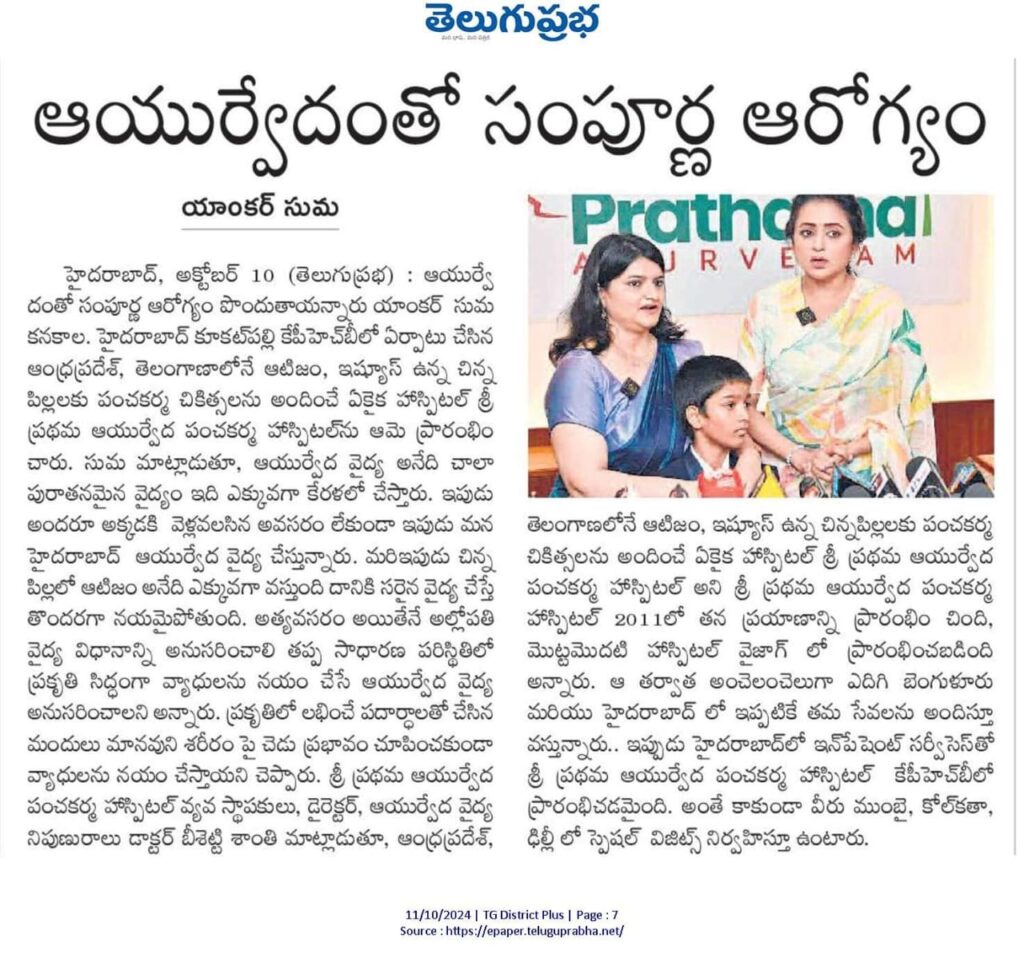
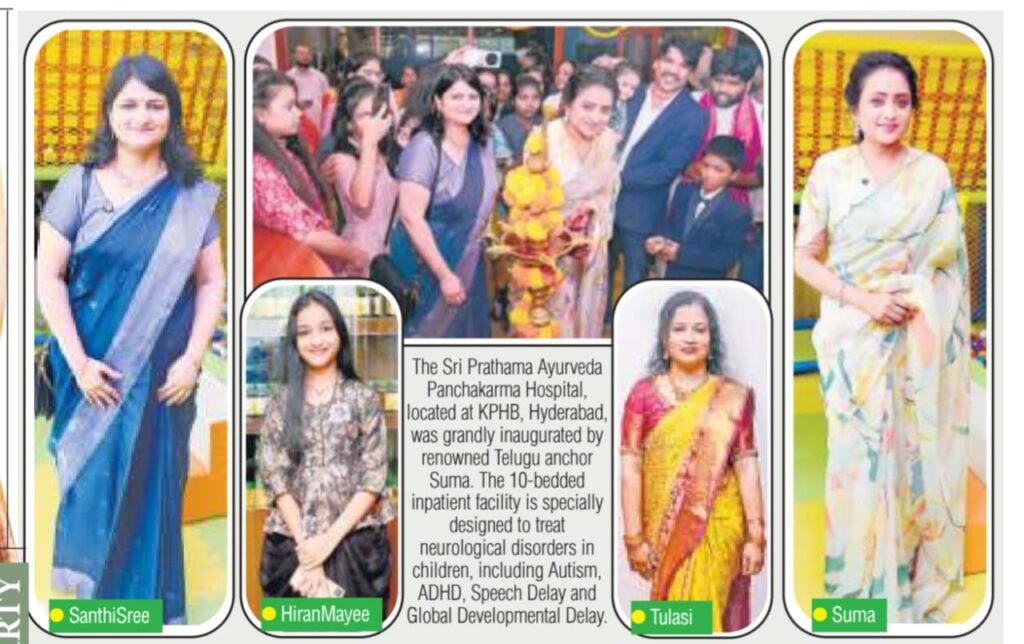
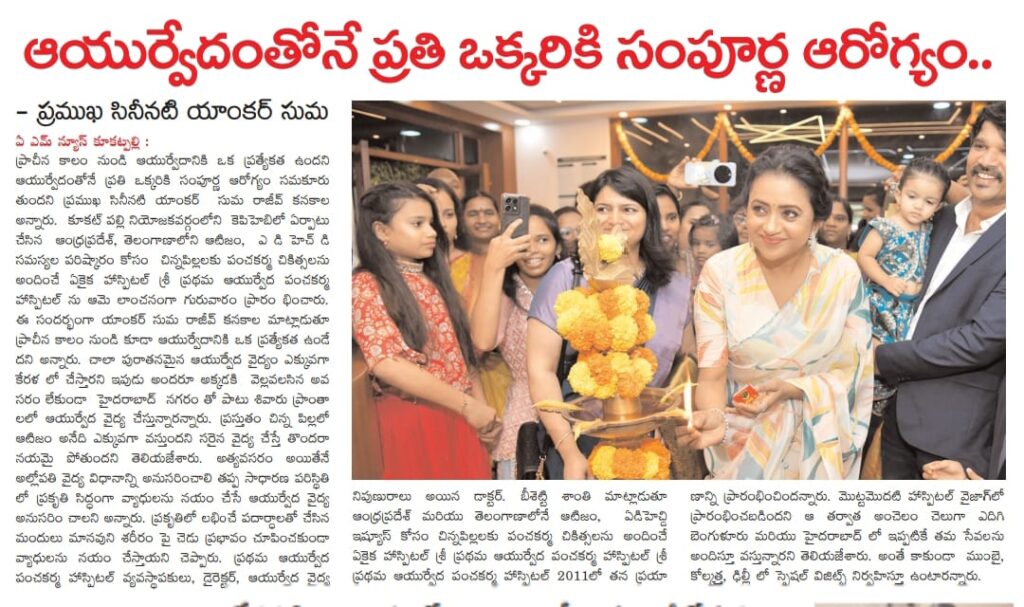
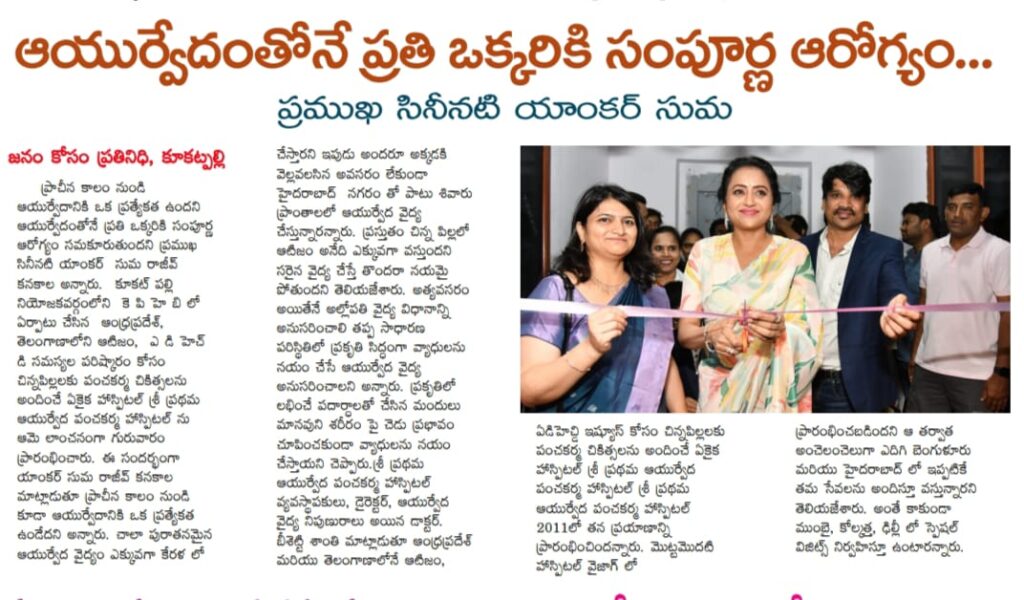
Also reported by Pragathi Express, Suryaa, Aadab Hyderabad and other Telugu dailies. Tap a clipping to read it in full.
Parent stories
Hear it from parents
Shared with consent by parents of children treated at Sree Prathama Ayurvedam.
How it works
Three simple steps
Nadi Pariksha and a detailed developmental history, at the hospital or online. Consultation fee ₹2,000.
Dr. Santhisree decides the therapies and the course: 40 days, or 21 days when suitable.
Your child receives the planned therapies at our hospital every day of the course, under our doctors’ supervision. Our team shares the start date and everything you need to know before you come.
Sri Towers, KPHB
- Sree Prathama Ayurvedam Private Limited, Sri Towers, HIG-18, Road No. 1, KPHB Colony, Kukatpally, Hyderabad 500072
- 10-bed paediatric Panchakarma hospital with in-patient services
- Daily therapies under doctor supervision
- Programme fees are shared after consultation
For further reading
The numbers in the text above point to these published studies, if you would like to read them.
- Qigong massage treatment for sensory and self-regulation problems in young children with Autism: a randomized controlled trial. American Journal of Occupational Therapy, 2009. doi.org/10.5014/ajot.63.4.423
- Effects of massage on self-regulatory difficulties, tactile and oral abnormalities, and parenting stress in children with Autism Spectrum Disorder: a systematic review and meta-analysis. International Journal of Therapeutic Massage & Bodywork, 2024. doi.org/10.3822/ijtmb.v17i4.1079
- Effects of parent-delivered traditional Thai massage on gait and heart rate variability in children with Autism: a randomized controlled trial. Journal of Integrative and Complementary Medicine, 2023. doi.org/10.1089/jicm.2023.0338
- Brain mechanisms for processing affective (and nonaffective) touch are atypical in Autism. Cerebral Cortex, 2016. doi.org/10.1093/cercor/bhv125
- Shirodhara: a psycho-physiological profile in healthy volunteers. Journal of Ayurveda and Integrative Medicine, 2013. doi.org/10.4103/0975-9476.109550
- Ayurvedic therapy (Shirodhara) for insomnia: a case series. Global Advances in Health and Medicine, 2014. doi.org/10.7453/gahmj.2012.086
- Nose-to-brain drug delivery: from bench to bedside. Translational Neurodegeneration, 2025. doi.org/10.1186/s40035-025-00481-w
- The association between emotional and behavioral problems and gastrointestinal symptoms among children with high-functioning Autism. Autism, 2014. doi.org/10.1177/1362361313485164
- Composition of gut microbiota in children with Autism Spectrum Disorder: a systematic review and meta-analysis. Nutrients, 2020. doi.org/10.3390/nu12030792
- Autism Spectrum Disorder and sleep. Psychiatric Clinics of North America, 2024. doi.org/10.1016/j.psc.2023.06.013
- Etiopathological study on cerebral palsy and its management by Shashtika Shali Pinda Sweda and Samvardhana Ghrita. AYU, 2013. doi.org/10.4103/0974-8520.115450
- Ayurvedic therapy in management of Autism Spectrum Disorder. Journal of Ayurveda, 2023. doi.org/10.4103/joa.joa_27_22
- Massage therapy for children with Autism Spectrum Disorders: a systematic review. Journal of Clinical Psychiatry, 2011. doi.org/10.4088/JCP.09r05848whi
- A systematic review and meta-analysis focusing on the use of Ayurvedic medicine in cerebral palsy. Journal of Ayurveda and Integrative Medicine, 2024. doi.org/10.1016/j.jaim.2024.101035
- Management of spastic cerebral palsy through multiple Ayurveda treatment modalities. AYU, 2014. doi.org/10.4103/0974-8520.159044
#DontWaitStartEarly
Don't wait. Start early.
Every child has potential, not when we compare them, but when we understand them: early, individually, compassionately.