
An Ayurvedic Perspective Through Nadi Pariksha, Agni, Ama & Dosha Patterns
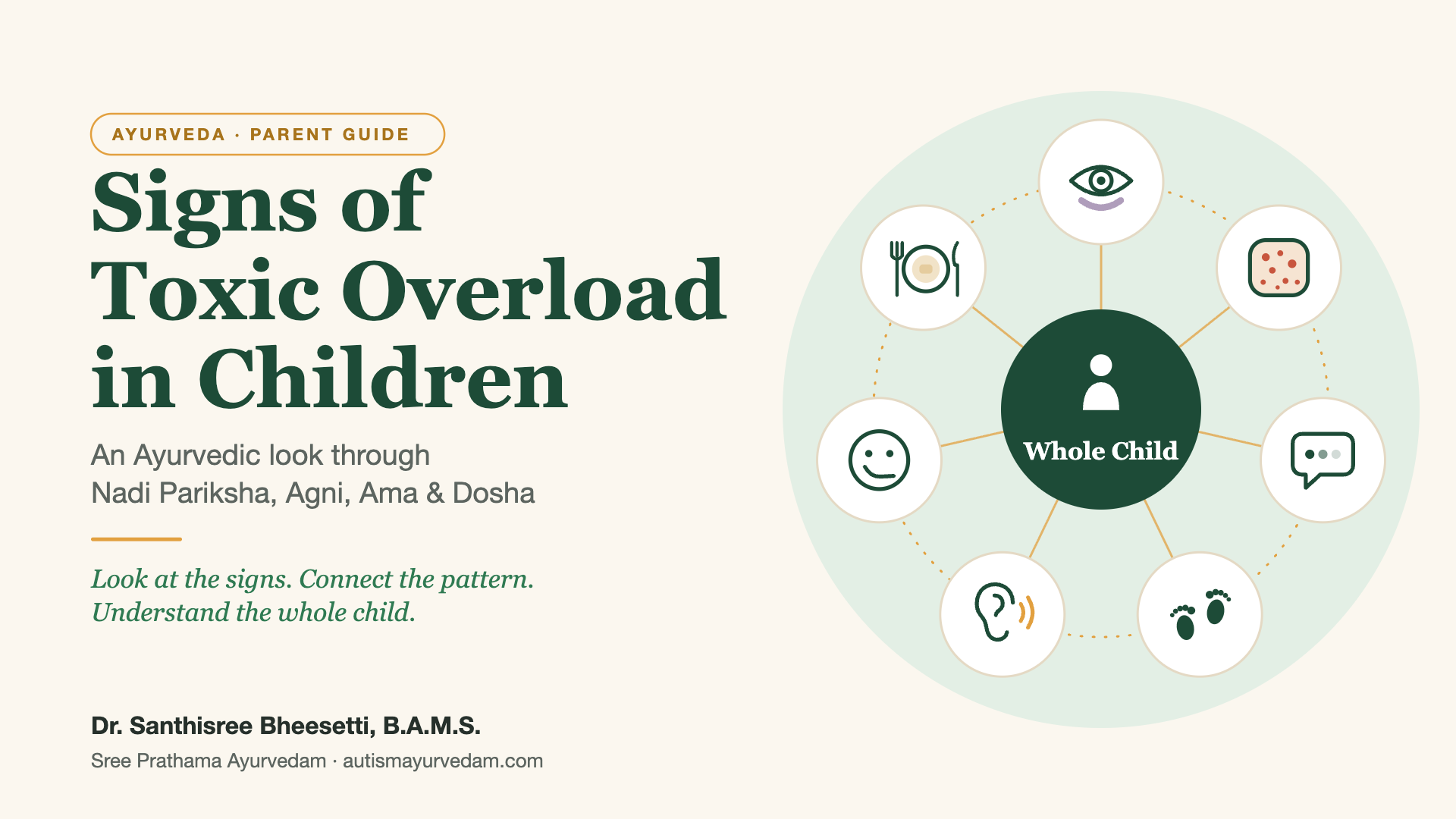
Dark circles, rashes, speech delay, toe walking, sensitivity to sounds or textures, picky eating, poor sleep, low energy, digestive problems—parents often notice small signs in their child long before they understand how those signs may fit together.
One symptom alone may not tell the whole story. But when multiple signs keep appearing across different areas of the child’s health, Ayurveda asks: are these separate concerns—or clues to a larger underlying pattern?
What Does “Toxic Overload” Mean?
Children are constantly interacting with their environment—through food, water, air, dust, soil, household products and pesticides. Concerns may involve substances such as lead, mercury, arsenic, cadmium, nickel, pesticides and other environmental chemicals.
Ayurveda has its own framework for internal accumulation: Ama, associated with incomplete digestion and metabolic accumulation when Agni—our digestive and transformative capacity—is disturbed. Ama and environmental toxins are not the same thing, but when looking at a child’s overall pattern, Ayurveda considers digestion, accumulation, elimination and Dosha imbalance together.
Can You See Toxic Load Without a Test?
You cannot identify a specific heavy metal or environmental toxin simply by looking at a symptom. But you can observe patterns that tell you it may be worth looking deeper. Here are seven signs parents may observe.

1. Dark Circles Under the Eyes
Look beyond the eyes—each clue points to a different Ayurvedic pattern:
- Poor sleep, restlessness → Vata disturbance / irregular rhythm
- Allergies, congestion, mucus → Kapha pattern
- Dehydration, dryness → Vata qualities
- Low energy, dullness, lethargy → Ama / heaviness pattern
- Poor appetite, indigestion, constipation → Agni and digestion
2. Rashes, Eczema & Hives
When a child’s skin repeatedly reacts with redness, heat, itching or flare-ups, Ayurveda pays particular attention to Pitta (heat and transformation) and Rakta (the blood tissue), together with Agni, Ama, diet, digestion and elimination.
Look beyond the skin: Is digestion disturbed? Is there constipation or excessive heat? Are particular foods or environmental exposures linked to flare-ups?
3. Speech Delay, Speech Regression & Unclear Words
Speech involves initiation, processing, understanding, attention, expression and communication. Parents may notice delayed speech, difficulty initiating or forming words, slowed or unclear words, delayed responses, reduced spontaneous expression or loss of previously used words.
From an Ayurvedic perspective, we look at:
- Vata / Prana Vata — movement, initiation and communication flow
- Kapha and Ama — heaviness, sluggishness and dullness
- Agni — digestion and transformation
- Srotas — functional pathways or channels
When Kapha heaviness and Ama patterns reduce and functional pathways operate more clearly, the Ayurvedic goal is to support clearer expression, attention and communication. This does not mean that every speech concern is caused by toxins or Ama.
4. Toe Walking, Flapping & Rocking
Parents may observe toe walking, hand flapping, rocking, repetitive movements, balance or coordination concerns and restlessness. Because Vata governs movement, Ayurveda looks closely at Vata (movement, restlessness, repetitive patterns), Ama (accumulation, heaviness, dullness) and Srotas (functional flow and regulation of movement).
5. Sensory Overload
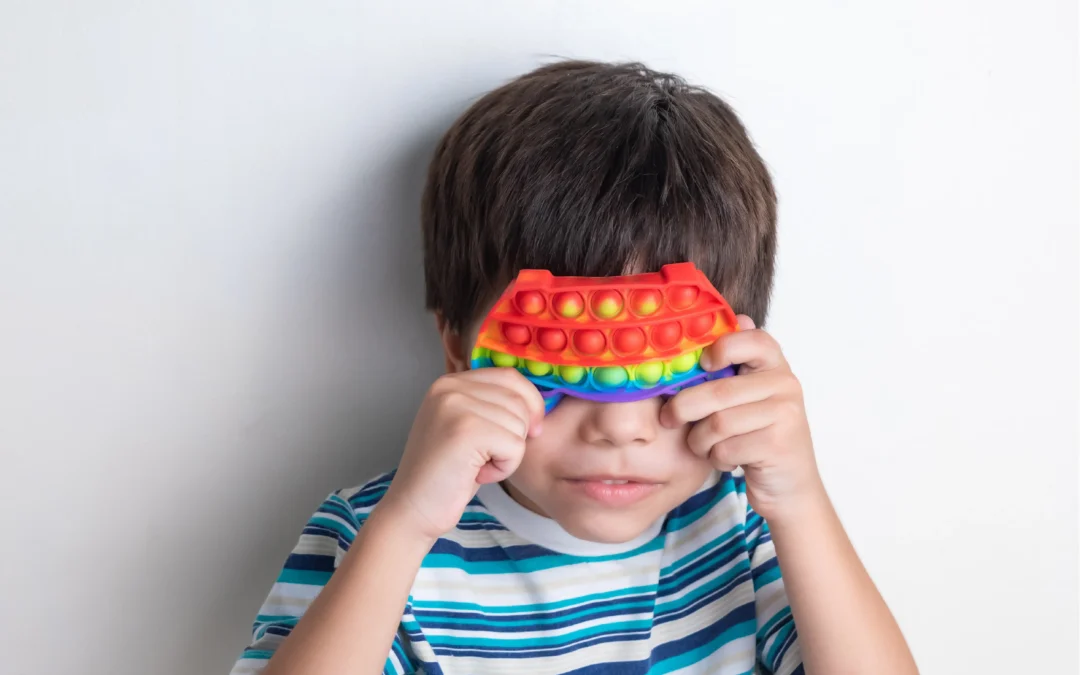
Parents may notice sensitivity to loud sounds, bright lights, clothing tags, touch, textures, strong tastes or busy places. A child may cover their ears, avoid touch or become distressed when a familiar cup changes. Unexpected laughter or emotional responses also need to be understood within the child’s broader sensory and developmental pattern.
Ayurveda looks at Vata (heightened sensitivity, overstimulation, restlessness), Ama (accumulation, heaviness) and Agni / gut (digestion and processing). Related reading: When the Brain Cannot Filter the World
6. Crooked Smile or Facial Asymmetry
Sometimes a parent notices: “One side goes up…but the other doesn’t.” This deserves attention, as it may involve nerve and muscle function, movement or other neurological signs. From an Ayurvedic perspective, Vata and Srotas may also form part of the assessment.
A new or sudden facial asymmetry requires urgent, same-day medical assessment.
7. Picky Eating & Texture Avoidance
Picky eating is not always as simple as “the child just doesn’t want to eat.” Some children eat only a few familiar or beige foods, avoid vegetables, react strongly to textures or tastes, or have an irregular appetite, nausea or constipation.
Ayurveda examines Agni (appetite, digestion, transformation), Ama (heaviness, poor digestive processing), Vata (texture sensitivity, food aversion, irregular appetite) and Kapha (sluggish digestion, preference for familiar foods)—alongside sensory processing, since texture, smell, temperature and taste strongly influence food acceptance.
The Ayurvedic Connection: Agni → Ama → Dosha → Srotas
When several signs appear together, Ayurveda asks what connects them. One of the simplest ways to understand this is the sequence Agni → Ama → Dosha → Srotas.

- Agni: How well is the child digesting and transforming what they receive? Look at appetite, digestion, assimilation, bowel pattern and energy.
- Ama: When Agni is disturbed, look for heaviness, lethargy, poor appetite, indigestion, constipation, dullness and reduced strength.
- Dosha: The pattern may then express through Vata (irregularity, restlessness, dryness, heightened sensitivity), Pitta (heat, redness, reactivity) or Kapha (heaviness, sluggishness, congestion).
- Srotas: Finally, are the functional pathways of nourishment, elimination, movement, regulation and communication functioning appropriately?
What Can Parents Do at Home? A Simple 7-Day Observation
Before thinking about an extreme “detox,” start with everyday foundations. For seven days, observe your child without trying to label every sign:

- Day 1 — Digestion: appetite, bloating, stool and constipation.
- Day 2 — Food: fresh, home-cooked meals and fewer processed foods; note rejected foods and textures.
- Day 3 — Hydration & elimination: enough water; urine and bowel pattern. Persistent constipation should not be ignored.
- Day 4 — Everyday exposures: dust, old paint, water source, smoke, pesticides, household chemicals, food storage. The goal is not fear—it is to reduce avoidable exposure.
- Day 5 — Screen & sensory load: less screen time, more outdoor play and parent-child interaction; note what repeatedly overwhelms your child.
- Day 6 — Sleep & routine: a predictable evening routine; note settling, night waking and morning alertness.
- Day 7 — Connect the pattern: What improved? What stayed the same? What repeatedly triggered your child?
Write it down—these notes are valuable when discussing your child with a qualified practitioner.
When Home Changes Aren’t Enough — Look Deeper
Every child is different. Two children with the same symptom can have completely different sleep, sensory, digestive and behavioural profiles—which is why Ayurveda focuses on personalization rather than symptom matching.
At Sree Prathama Ayurvedam, Nadi Pariksha is used as a traditional Ayurvedic assessment of the child’s overall pattern—Agni, Ama, Dosha, digestion, elimination and Srotas—interpreted together with the child’s history, diet, sleep, sensory pattern, movement, communication and behaviour. It should not be used to claim that a specific heavy metal has been identified from the pulse.
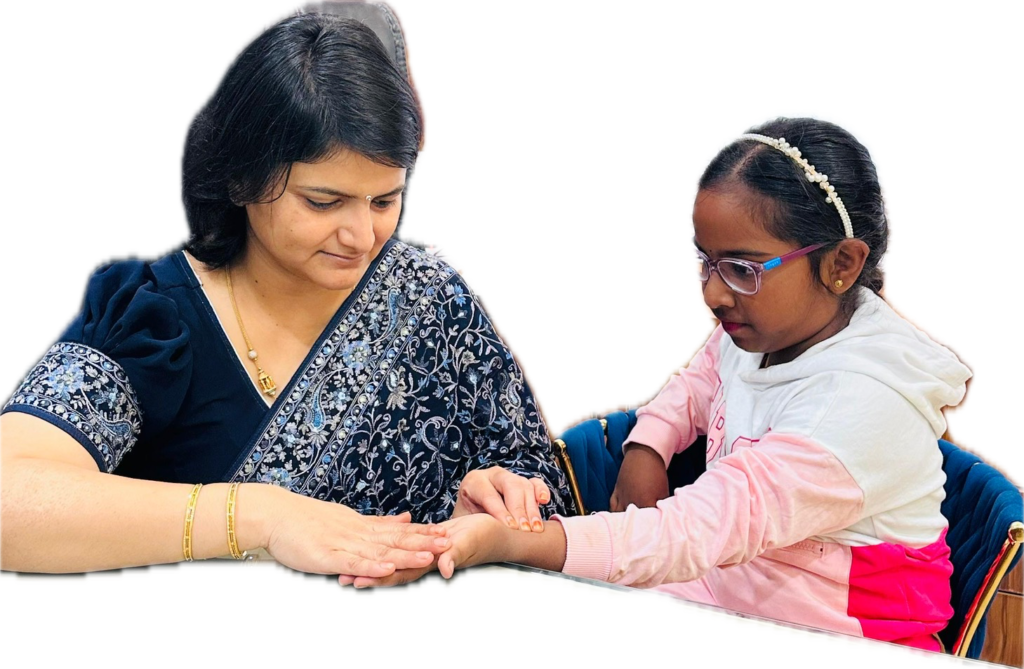
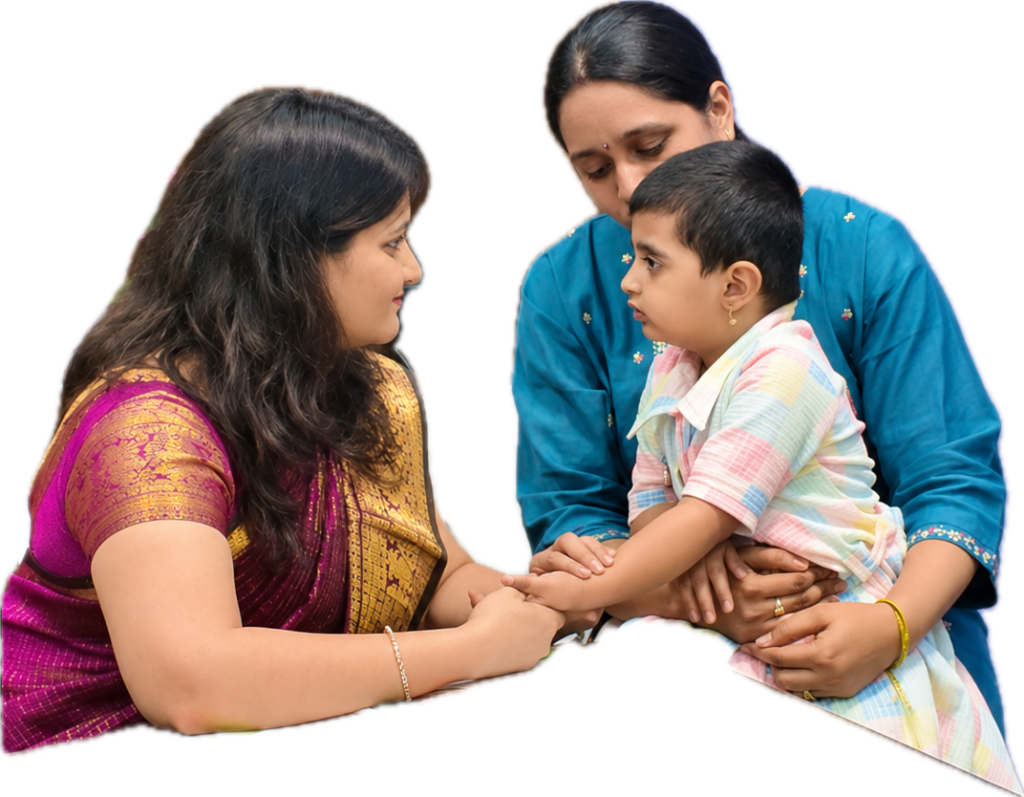
Nadi Pariksha at Sree Prathama Ayurvedam
Want to understand your child’s pattern? Book a consultation at Sree Prathama Ayurvedam for Nadi Pariksha and a detailed individual assessment. Call +91 9989759719 or send us an enquiry.
One Important Point for Parents
Noticing several signs and wanting to understand them is very different from concluding that your child has heavy-metal toxicity. Symptoms alone cannot confirm a specific toxin. If there is a genuine concern about exposure to lead, mercury or arsenic, appropriate medical evaluation and testing may be necessary.

Sudden speech regression, new facial asymmetry, significant neurological changes, hearing changes or severe skin reactions should also receive appropriate medical evaluation. The Ayurvedic role is to add another layer of individualized understanding—not to assume that every symptom has the same cause.
So, How Can You Tell?
Start by observing the pattern—eyes, skin, speech, sensory responses, movement, food preferences, digestion, sleep, energy and environment. Then look through the Ayurvedic lens of Nadi, Agni, Ama, Vata, Pitta, Kapha and Srotas. A single sign rarely tells the whole story; when several appear together, it is time to look deeper.
Observe the signs. Understand the pattern. Personalize the support.
Dr. Santhisree Bheesetti, B.A.M.S.
Sree Prathama Ayurvedam
Healthy Children. Brighter Tomorrows.




0 Comments